Driveway Paving Return on Investment and Installation Guide for Resale Value
A driveway does more work than people give it credit for. It carries the heaviest traffic on the property, shapes first impressions from the street, and quietly signals whether the rest of the home has been cared for. When sellers ask where exterior money actually pays back, the driveway is often part of that conversation, especially if the existing surface is cracked, stained, patched, or sinking at the edges.
I have seen buyers forgive old shrubs and even a tired mailbox. They are far less forgiving about a rough driveway they believe they will have to replace immediately. That is why driveway paving return on investment tends to be strongest when the current surface is obviously near the end of its life. A clean, well-built paver driveway does not always return every dollar on paper, but it can tighten time on market, support asking price, and reduce the discount buyers demand for deferred maintenance.
The trick is choosing a material and installation method that make financial sense for your neighborhood and your sale timeline. A beautifully installed driveway can be a smart move. An overbuilt, overstyled one in the wrong market can become an expensive personal preference.
Where the return really comes from
Most resale value from driveway work comes from three places. The first is curb appeal. The second is buyer confidence. The third is practical longevity. Pavers score well on all three when they are installed correctly.
Curb appeal is obvious. Interlocking concrete paving stones, brick driveway paving, and natural stone driveway pavers all create visual texture that plain poured concrete usually cannot match. Even modest homes look more intentional with a driveway that has pattern, edge restraint, and color chosen to suit the house.
Buyer confidence matters just as much. Buyers tend to understand cracking asphalt and basic concrete wear, but they also know replacement is expensive. A newer paver drive suggests that the owner has invested in the property. It signals less immediate work after closing.
Longevity is where pavers often pull ahead in paver driveway material comparisons. If a section settles, individual units can be lifted and reset. That does not mean zero maintenance, but it does mean repairs are typically more targeted than cutting out and repouring a slab. When owners think about paver driveway long term value, that repairability is a big part of the appeal.
Matching the driveway to the market
Not every home needs premium driveway pavers cost levels to get a good result. On a midrange suburban home, an attractive concrete paver installation often lands in the sweet spot. On a high-end home, natural stone driveway pavers may fit the architecture and resale expectations better. On an entry-level property, affordable driveway paving options may matter more than prestige, and a simple, durable paver layout can still outperform a failing asphalt surface.
I usually tell homeowners to look at the top quarter of homes in their immediate area, not at custom estates across town. If most comparable homes have basic broom-finished concrete, a very elaborate circular motor court with imported stone may not return proportionally. If the neighborhood already leans upscale, a tired asphalt drive can pull the whole property down.
That is why driveway paver material selection is not just about taste. It is market positioning.
Pavers versus concrete and asphalt for resale
The usual debate starts with paver driveway versus concrete cost and paver driveway versus asphalt cost. Asphalt is often the lowest initial price, concrete tends to sit in the middle, and pavers usually cost more upfront. But that headline is too simple to guide a real decision.
Asphalt can be fine on a budget, though it rarely adds much visual lift. It also softens in heat, requires sealing over time, and can look worn quickly in harsh climates. Plain paver driveway installation service poured concrete has a cleaner look and decent durability, but cracking is difficult to disguise once it starts. Decorative concrete can bridge some of the aesthetic gap, though repairs can still be obvious.
Pavers cost more because the installation is more labor-intensive and material-rich. Yet the resale case for pavers improves when appearance matters and long-term repairability matters. Concrete paver driveway pricing can feel steep in the estimate stage, but buyers often see pavers as an upgrade in a way they do not see plain concrete.
If your home sits in a market where outdoor presentation drives offers, the added upfront expense can be easier to justify. If your area is purely price sensitive and the driveway is hidden from the street, the math changes.
The paver options that actually hold up under vehicles
One of the biggest mistakes I see is using patio products in a driveway. They may look good in the showroom, but not every paver is suitable for vehicle loads. You want vehicle rated driveway pavers, not just anything labeled for exterior use.
Driveway paver durability depends on several technical factors. Driveway paver thickness matters immediately. In many residential installations, 60 mm pavers may be acceptable for lighter traffic in some systems, but 80 mm units are common when you want more confidence for cars, delivery vans, and occasional heavier loads. For homes with larger trucks, steep approaches, or higher stress turning areas, heavy duty driveway pavers are often worth the extra material cost.
Paver compressive strength also matters, though it should not be viewed in isolation. A strong unit on a weak base will still fail. Good manufacturers publish compressive strength or related performance data, and better products are made specifically for vehicular applications. Weather resistant driveway pavers and high driveway paver wear resistance are especially important in freeze-thaw climates, coastal zones, and areas where sand or road grit gets dragged onto the surface.
Surface matters too. Textured driveway pavers and slip resistant driveway pavers help on sloped sites or rainy climates. Some driveway paver paver driveway design & installation surface finishes are attractive but show tire scuffing more quickly. Others hide dust and wear beautifully. This is where real-world judgment beats showroom lighting. A paver that looks elegant indoors may feel too slick, too polished, or too high-maintenance once it is exposed to car traffic and weather.
Style choices that help resale instead of hurting it
The safest resale choices are usually the least flashy. Neutral driveway paver color options such as charcoal blends, soft grays, warm taupes, and muted earth tones age well and pair with more house styles. Strong reds can work with brick homes. Cooler grays suit modern houses. Mixed blends often hide dust, leaf stain, and minor surface variation better than uniform single-color products.
Large format driveway pavers can look sharp on contemporary homes, though they need careful engineering and installation because larger units may reveal movement more dramatically if the base is poor. Small format paving stones are forgiving, traditional, and easier to weave around curves and aprons. Interlocking concrete paving stones in herringbone patterns often perform especially well for driveways because the pattern helps distribute load.
Natural stone driveway pavers create a premium look, but stone is not one thing. Granite, basalt, dense sandstone, and some limestones behave very differently. Stone can be gorgeous for resale in the right house, yet premium driveway pavers cost rises fast once you factor in material, cuts, waste, and labor.
Brick driveway paving has a timeless appeal, especially on older homes. Real clay brick under vehicles needs proper product selection and proper installation, since not all brick products are built for that use. Brick driveway paving cost can land near or above concrete pavers depending on region and product availability.
What drives the price up, and what is worth paying for
Homeowners often fixate on driveway paver cost per square foot, but a straight square-foot number can hide the true budget. A driveway is a system, not just a surface.
Here are the cost factors that usually move the number the most:
- driveway excavation costs, especially if the old driveway is thick, reinforced, or hard to access
- base depth and compaction requirements, which increase with poor soil, heavy vehicles, or drainage problems
- material choice, including concrete driveway pavers, brick driveway paving, or natural stone driveway pavers
- layout complexity, borders, curves, inlays, soldier courses, and cuts around garages or walks
- local paver driveway labor cost, which can vary dramatically by market and contractor demand
For many projects, paver driveway installation cost ends up being driven as much by groundwork as by the pavers themselves. If the old driveway must be demolished and hauled away, if the site needs grading correction, or if drainage needs to be redirected, the driveway installation cost breakdown shifts quickly.
In broad terms, concrete paver driveway pricing often falls above basic concrete and asphalt, but below high-end stone. Brick driveway paving cost varies, sometimes surprisingly, because quality vehicular brick is not always cheap. Permeable concrete pavers usually cost more than standard pavers on the front end because the base system is different and often deeper, though they can solve drainage problems that would otherwise require separate infrastructure.
The base is where the money is won or lost
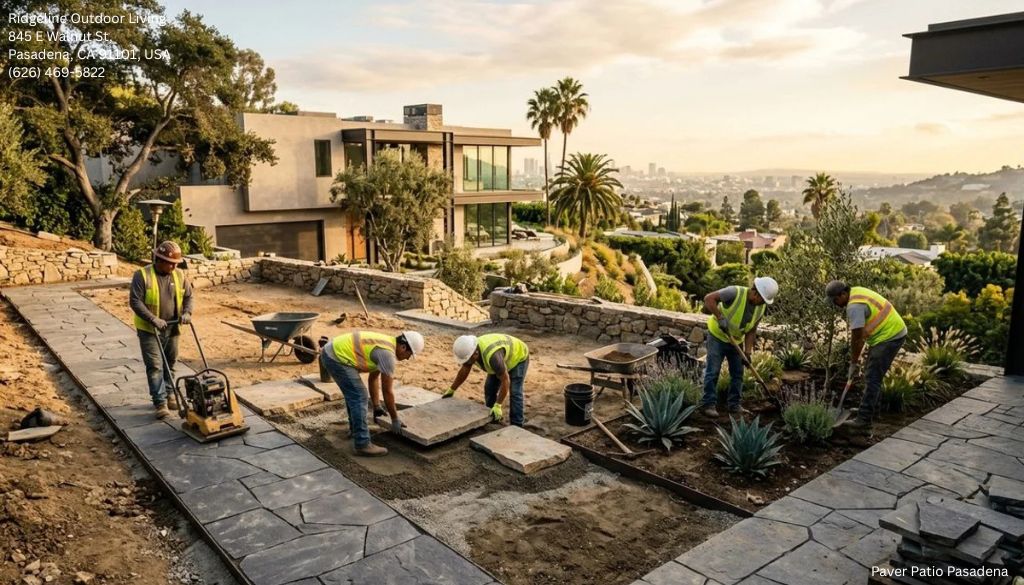
People love to talk about color and pattern. paver driveway resources Installers who have been called back for failures talk about excavation and base prep.
A driveway for resale does not need to be extravagant, but it must be structurally honest. That means proper excavation to remove unsuitable material, geotextile where conditions call for it, well-graded aggregate compacted in lifts, and edge restraints that actually hold. Bedding sand needs to be correct, not too thick, and pavers need tight joints and final compaction.
If I had to point to one reason some paver driveways underperform, it is underbuilt bases on driveways that see more stress than expected. Turning movements near the garage, the apron at the street, and any area where trucks pause or pivot deserve special attention. A delivery truck can punish weak spots in a way daily passenger cars never do.
This is also why driveway paver thickness cannot be separated from sub-base design. People sometimes buy the thickest paver they can find and assume they are safe. Without proper support underneath, thickness alone does not save the job.
Why permeable systems deserve a serious look
Permeable concrete pavers are not just a green-building talking point. On certain sites, they are a practical answer to standing water, runoff, and drainage complaints. Instead of shedding all water off the surface, the system allows it to pass through joints into a specially designed aggregate base below.
That can reduce puddling, improve traction, and sometimes help satisfy local stormwater rules. For buyers who care about drainage problems, that can be a real selling point. I have seen more than one resale listing mention improved runoff management because the previous driveway had created annoying water flow toward a garage or walk.
The caveat is that permeable systems need informed maintenance. Joints cannot simply be allowed to clog with fines and debris forever. If the site constantly receives sediment from adjacent beds or slopes, permeability can decline. Still, in the right location, the added upfront spend may solve several headaches at once.
Budgeting for the whole project, not just the pretty part
A sound driveway replacement budget includes more than pavers and labor. Homeowners who skip this step are the ones shocked by change orders halfway through.
A realistic paver driveway project budgeting conversation should account for old surface removal, spoil hauling, base aggregate, edge restraints, bedding material, pavers, joint material, compaction, drainage components if needed, and sealing if the product or local practice warrants it. Add permit costs where required. Also ask whether the estimate includes transitions at the garage, sidewalk tie-ins, and any curb adjustments.
Driveway paving estimates can differ widely because contractors scope things differently. One number may look cheaper simply because it assumes less excavation or a shallower base. Another may not include reinstating disturbed lawn or resetting adjacent edging. When comparing bids, a tight scope review matters more than a low headline price.
Driveway paving material costs have also moved around over the last few years in many areas, especially for imported stone, fuel-intensive transport, and labor. If a quote seems far below the rest, I would want to understand exactly what is being omitted.
Installation choices that protect resale value
Pattern and detailing affect more than appearance. For a driveway, herringbone remains a favorite because it locks together under traffic. Running bond can work visually, but it is not my first choice for a high-use drive. Borders look good, though they should be chosen with restraint. Too many color breaks can make the surface busy and date it quickly.
Surface finish deserves a thoughtful decision. Textured driveway pavers give good grip and hide scratches and light residue. Very smooth finishes can look elegant on modern homes, but they tend to show tire marks and can be less forgiving in wet conditions. Slip resistant driveway pavers are especially smart for sloped driveways, homes in snowy areas, or properties where kids regularly cross the driveway on foot.
Resale-minded owners should think about serviceability as well. If your contractor uses a proprietary color blend or unusual shape that may be hard to source later, ask for attic stock. Having extra units on hand can save a repair years down the line.
The maintenance side of the ROI equation
Paver owners sometimes oversell maintenance as if the driveway will look perfect forever with no care. That is not realistic. Joints may need topping up. Weeds can appear if organic matter builds in the joints. Ants can disturb bedding in some climates. Surface dirt accumulates. In shaded areas, algae can make any driveway slick if it is ignored.
Still, driveway maintenance expenses for pavers are often manageable, and repairs can be localized. If a section settles near a downspout discharge or utility trench, an installer can usually lift, correct, and relay that area. With monolithic concrete, the repair often remains visible forever.
When people talk about driveway paver lifecycle cost, that is the heart of it. You may spend more upfront, but the ability to maintain and refresh the system in pieces can make the long-term economics more reasonable than they first appear.
Questions worth asking before you sign
A pretty sample board does not tell you whether the installation will survive ten winters. Before choosing a contractor, get clear answers on the parts you will never see again once the driveway is finished.
Ask about these points:
- how deep the excavation will be and how the base depth was determined for your soil and expected traffic
- whether the pavers are specifically rated as vehicle rated driveway pavers and what thickness will be used
- how drainage will be handled, especially at the garage threshold and along any slope
- what joint material, edge restraint, and compaction process are included
- what warranty applies to workmanship, and what maintenance they expect from you
Good contractors paver driveway design ideas can explain the logic behind the assembly in plain language. Vague answers are not a great sign.
Cases where pavers may not be the best financial move
Pavers are not automatically the best investment in every scenario. If the house will likely be torn down, if the neighborhood is highly budget driven, or if you are planning to sell immediately and the current driveway is merely average rather than failing, a simpler surface may be enough. Sometimes a clean resurfacing or a straightforward concrete replacement gets you where you need to go for less money.
There are also properties where mature tree roots, unstable soils, or chronic drainage issues make the project more complex than expected. Pavers can still work in those conditions, but only if the site problems are addressed honestly. If not, the nicer finish just makes the future repair bill more expensive.
And while large format driveway pavers and premium stone products can look spectacular, they do not always return proportionally in ordinary subdivisions. Buyers appreciate quality, but they do not always pay retail for the full design ambition of the seller.
A practical way to judge the investment
If you are trying to decide whether the project makes sense before resale, picture the driveway through a buyer’s eyes. Does the existing surface make the home feel neglected? Does the driveway occupy a large portion of the front elevation? Is parking awkward, cracked, or stained enough to raise concern? If yes, the driveway has more power over perceived value than many owners realize.
Then weigh upfront spend against likely market reaction. A well-designed paver driveway usually performs best when it replaces something visibly tired, when the home’s architecture can carry the upgrade, and when the installation respects the neighborhood rather than trying to outshine it by a mile.
For homeowners who want a solid middle path, concrete driveway pavers in a proven vehicular pattern, with sensible color, proper base work, and restrained detailing, are often the best blend of resale appeal and practical durability. They offer better visual lift than asphalt, more flexibility than plain concrete, and a level of repairability that helps justify the higher initial number.
That is where the ROI story becomes believable. Not because every paver driveway adds some magical fixed percentage, but because the right driveway removes objections, improves first impressions, and holds up well enough that buyers can focus on wanting the house instead of pricing the repairs.